






With utility costs continuing to rise, energy-efficient upgrades are one of the few home improvements that pay you back every single month. Here are the ones worth prioritizing.
1. Smart Thermostat
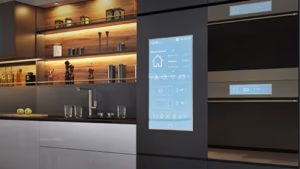
A relatively low-cost upgrade, smart thermostats learn your schedule and adjust heating/cooling automatically, often cutting energy use for climate control noticeably — with many models paying for themselves within a year or two.
2. Attic Insulation
Poor attic insulation is one of the most common sources of energy loss in older homes. Upgrading insulation is often one of the highest-ROI energy improvements available, especially in homes over 15–20 years old.
3. Weatherstripping and Caulking
One of the cheapest fixes on this list — sealing gaps around doors, windows, and utility penetrations can meaningfully reduce drafts and energy waste for a very small upfront cost.
4. LED Lighting
Swapping incandescent or older CFL bulbs for LEDs reduces lighting-related energy use dramatically and lasts far longer, cutting down on replacement costs too.
5. Energy-Efficient Windows
Double- or triple-pane, low-E windows reduce heat transfer significantly compared to older single-pane windows — a bigger investment, but one that also boosts comfort and resale appeal.
6. High-Efficiency HVAC System
Upgrading an aging furnace or AC unit to a high-efficiency model can substantially cut heating and cooling costs, particularly if your current system is over 15 years old.
7. Low-Flow Fixtures
Low-flow showerheads and faucet aerators reduce water usage — and the energy needed to heat that water — for a minimal upfront cost.
8. Solar Panels
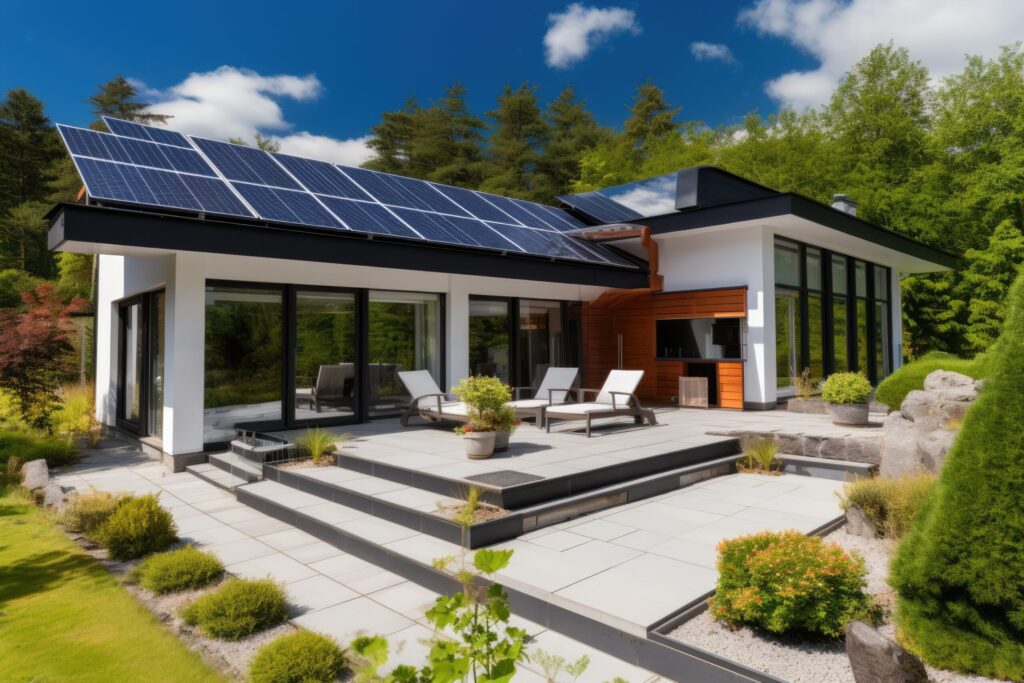
A bigger investment with a longer payback period, but solar can significantly offset or eliminate electric bills over time, especially where local incentives or net metering are available.
Don’t Forget Rebates and Tax Credits
Many of these upgrades qualify for federal tax credits or state/utility rebate programs. Before starting a project, check what incentives are currently available in your area — they can meaningfully reduce your upfront cost.
The Bottom Line
Start with the cheapest, highest-impact fixes — sealing air leaks and upgrading insulation — before moving to bigger investments like windows or solar. Small, cumulative changes often add up to significant annual savings.
This article is for informational purposes only and does not constitute financial advice. Rebate and tax credit availability varies by location and changes over time — verify current programs before starting a project.