





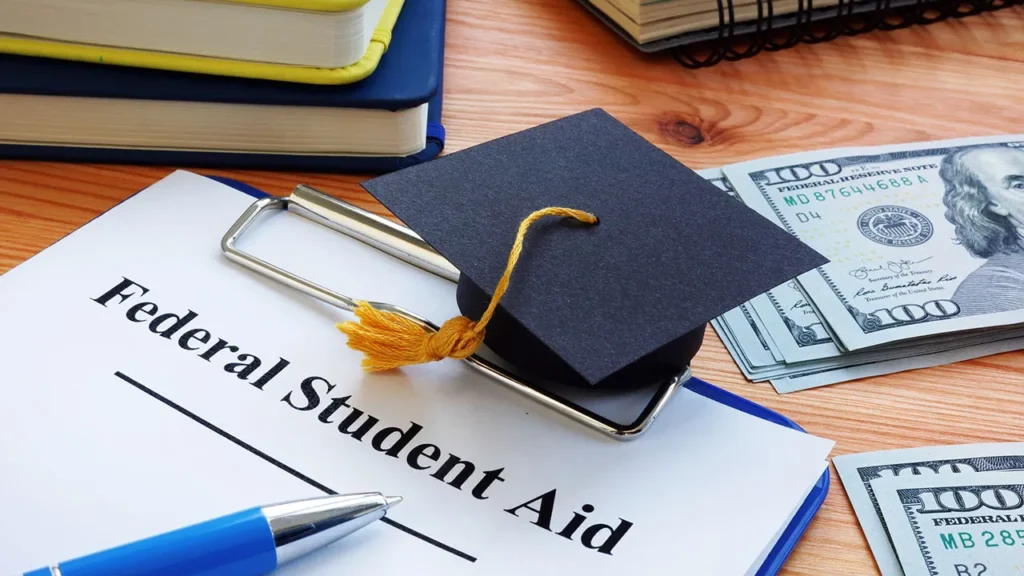
If you or your kid are heading to college in the next few years, the rules for paying for it just changed more than they have in over a decade. The One Big Beautiful Bill Act reshapes federal student loans, repayment plans, and FAFSA eligibility starting with the 2026–27 academic year — and “just fill out the FAFSA like last year” isn’t good enough advice anymore.
Here’s what’s actually different, and what it means depending on where you are in the process.
The Big Picture
Starting July 1, 2026, federal student loans are undergoing sweeping changes affecting loan limits, repayment plans, and FAFSA rules for both students and parents. The changes don’t apply retroactively to existing loans in most cases — if you don’t take out any new loans after July 1, 2026, you can generally stay on your current repayment plan. Borrow again, though, and you’re moved onto the new system.
That distinction matters a lot for anyone currently in school: your borrowing decisions this year affect which set of rules you’re locked into for the rest of your repayment.
Repayment Plans Are Being Overhauled
The new law phases out most existing income-driven repayment plans — ICR, PAYE, and SAVE are set to be repealed by mid-2028. Borrowers currently enrolled in those plans will need to switch to a new option (an updated Income-Based Repayment plan, the new standard plan, or the new Repayment Assistance Plan) before then, or they’ll be automatically moved into the Repayment Assistance Plan.
For loans issued after July 1, 2026, the menu is simpler but less flexible: only two repayment options exist going forward — the Repayment Assistance Plan and a standard repayment plan.
The forgiveness timeline is also stretching out. Under the new Repayment Assistance Plan, forgiveness doesn’t kick in until after 30 years of qualifying payments, compared to the 20–25 years borrowers are used to under existing income-driven plans.
What this means: if you’re a current borrower who values keeping income-driven repayment flexibility, you have a decision to make before mid-2028. If you’re about to take out your first loans, plan around a much longer forgiveness horizon than previous generations of borrowers dealt with.
Public Service Loan Forgiveness Still Exists — With New Rules
Good news for anyone planning a career in public service or nonprofit work: Public Service Loan Forgiveness is still around. But starting July 1, 2026, new rules change which employers qualify, based on submitted and verified employment certification. If you’re counting on this program, it’s worth confirming your employer’s status under the new criteria rather than assuming last year’s eligibility still applies.
A New Kind of Pell Grant, for Short-Term Programs
One genuinely new benefit: the maximum Pell Grant for a traditional program in 2026–27 sits around $7,395, and the program now extends to short-term training — things like certified nursing assistant or welding certificates that run 8 to 15 weeks. Students in these fast-track career programs previously had no access to federal grant money at all. The FAFSA is still the required first step to access it.
This is a meaningful shift for anyone weighing a certificate program against a traditional four-year path — it narrows the funding gap that used to make trade and certificate programs a harder financial sell.
Loan Forgiveness May Now Be Taxable
This is the part that catches people off guard. Starting in 2026, forgiveness received under a non-qualifying program — including income-driven repayment forgiveness after 20-30 years — will generally count as taxable cancellation-of-debt income, since the pandemic-era tax exemption for forgiven student loan debt is expiring and isn’t expected to be renewed. The major exception: Public Service Loan Forgiveness stays exempt from federal taxation.
Why this matters: anyone planning around eventual income-driven repayment forgiveness should factor in a future tax bill on the forgiven amount. That “free” debt relief may come with a real cash cost the year it’s granted.
Practical Steps for Families Right Now
- File the FAFSA early, regardless of which path you’re on — it’s still the gateway to Pell Grants and federal loans.
- If you’re a senior or about to graduate, know that taking out even one new loan after July 1, 2026 can pull all of your loans — old and new — into the new repayment framework.
- If PSLF is part of your plan, confirm your employer still qualifies under the new certification rules.
- If you’re weighing a certificate or trade program, check whether it now qualifies for the new short-term Pell Grant — this changes the math on programs that used to require paying entirely out of pocket.
- Talk to a financial aid counselor before assuming any online explainer fully applies to your situation — federal guidance is still being finalized in places, and the details matter.
The Bottom Line
The days of federal student aid being a fairly stable, predictable system are over for now. The new rules trade some simplicity (fewer repayment plan choices) for real trade-offs (longer forgiveness timelines, new tax exposure, tighter loan limits). Families navigating this in 2026 need to treat financial aid planning less like a form to fill out once and more like an ongoing decision that changes based on when you borrow and how you repay.
This information reflects federal guidance as of August 2026. Rules are still being finalized in some areas — confirm details with a financial aid office before making borrowing decisions.