





Smart home tech has a marketing problem: half the products on shelves solve problems nobody has, while the genuinely useful ones get buried next to novelty gadgets. Here’s what’s actually worth installing in 2026 — and what you can skip.
Worth It
Smart Thermostats Still the single best-value smart home purchase you can make. A learning thermostat pays for itself in energy savings within a year or two for most households, and setup takes under an hour. Look for one with geofencing (adjusts when you leave/return) rather than just a schedule.
Video Doorbells Package theft and porch pirates make this one of the most practically useful upgrades on the list. Beyond security, it’s genuinely convenient — you can see who’s at the door from anywhere, which matters more than it sounds like it would.
Smart Locks Losing keys, re-keying for renters or dog walkers, and letting in contractors while you’re at work all get easier. The consequential feature is temporary/scheduled access codes — not the ability to unlock with your phone, which is really more novelty than necessity.
Leak Detectors Cheap ($20–$60 per sensor), unglamorous, and one of the best insurance-adjacent purchases available. Water damage is one of the most common and expensive homeowner insurance claims, and a sensor near the water heater, washing machine, and under sinks catches problems before they become five-figure repairs.
Smart Smoke and CO Detectors Push alerts to your phone even when you’re not home, which matters most exactly when you’re not there to hear the alarm. A straightforward upgrade over standard units at a similar price point.
Skip It (Or Wait)
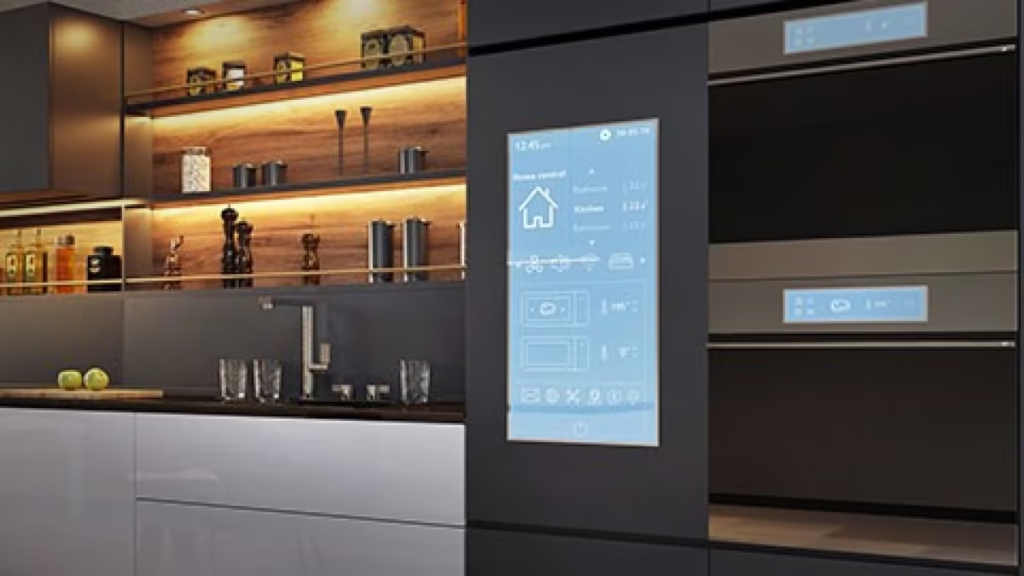
Smart Refrigerators The touchscreen and camera features rarely get used after the first month, and they add real cost and real points of failure to an appliance you need to be reliable. A regular fridge with a $30 sensor for the door works just as well for the one feature people actually want (knowing if it’s been left open).
Whole-Home Voice Control for Everything Controlling your blinds, lights, thermostat, and locks all by voice sounds appealing in a showroom and gets used a handful of times before everyone reverts to switches and apps. Pick two or three high-value voice interactions rather than automating the whole house.
Smart Light Bulbs Everywhere Useful in a couple of rooms (bedroom, living room) for scheduling and dimming. Replacing every bulb in the house is expensive relative to the benefit, and a bulb that needs an app to turn on is a bad trade when the power blips or the app breaks.
The Real ROI: Insurance and Resale
A few smart home upgrades do double duty beyond convenience:
- Leak detectors and smart smoke detectors can qualify you for homeowners insurance discounts in many states — often enough to offset the cost of the devices within a year or two.
- Video doorbells and smart locks show up as a plus in listings and appeal to safety-conscious buyers, though they rarely move the needle on sale price the way a garage door or kitchen refresh would.
How to Buy Without Getting Locked In
Before buying anything, check what smart home ecosystem it works with (Matter, the newer cross-platform standard, is worth prioritizing over brand-specific systems). Devices that only work within one company’s app tend to become dead weight the moment that company changes strategy or gets acquired — which happens more often in this space than people expect.
The Bottom Line
Skip the gadgets that solve a problem you don’t have, and prioritize the ones that save money (thermostat), prevent expensive damage (leak detectors), or genuinely improve daily life (video doorbell, smart locks). Everything else is optional polish, not a real upgrade.