







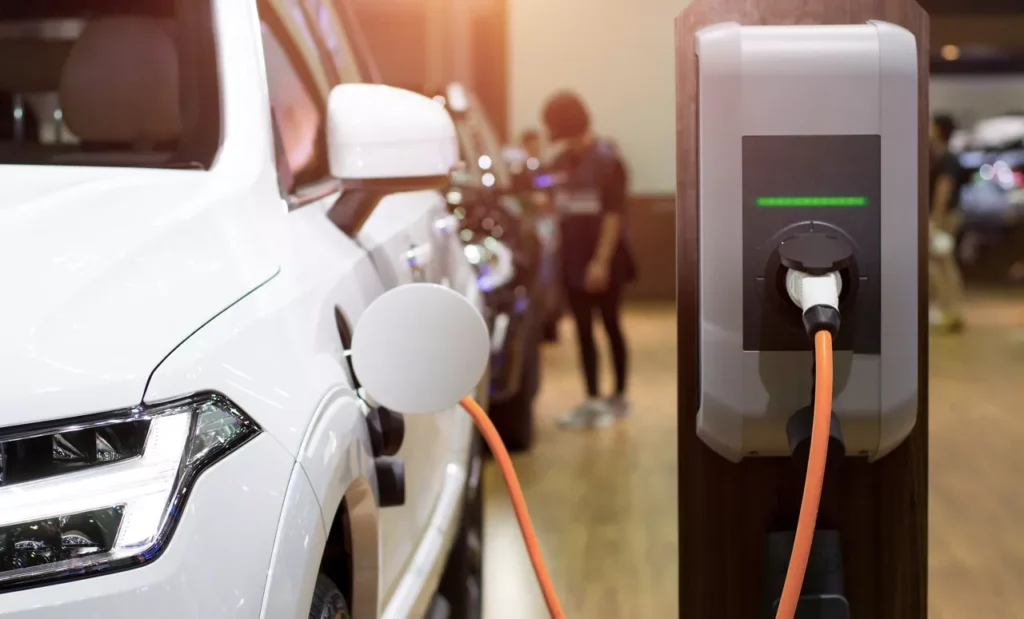
As EVs become more common on U.S. roads, drivers are discovering that insuring one isn’t quite the same as insuring a gas-powered car. Here’s what to know before you buy a policy.
Why EVs Often Cost More to Insure
1. Higher repair costs. EV battery packs are expensive to replace, and specialized technicians and parts are still less widely available than for gas vehicles, driving up collision and comprehensive premiums.
2. Higher vehicle price tags. Many EVs, especially newer models, carry a higher MSRP than comparable gas vehicles — and insurance costs typically scale with vehicle value.
3. Limited repair networks. Fewer shops are certified to handle EV-specific repairs, which can mean longer repair times and higher labor costs baked into your premium.
What’s Usually the Same
Liability, uninsured motorist, and basic coverage structures work the same way as with any vehicle — you’ll still need comprehensive and collision if you want protection for the EV itself.
Discounts Worth Asking About
- Low-mileage discounts — many EV owners drive fewer miles for local commuting
- Safety feature discounts — EVs often come loaded with advanced driver-assistance systems
- Green/eco-vehicle discounts — some insurers offer incentives specifically for electric or hybrid vehicles
- Home charging equipment coverage — some insurers let you add coverage for home charging stations under your policy
Tips for Getting the Best Rate
- Get quotes from multiple insurers — pricing for EVs can vary more widely between companies than for gas cars, since not all insurers have caught up with EV-specific risk data.
- Ask about battery coverage specifics — confirm whether battery replacement is fully covered under comprehensive/collision or requires an add-on.
- Check for manufacturer-backed insurance. Some EV makers (like Tesla) offer their own insurance products that may be priced more competitively in certain states.
- Bundle with home insurance if you have a home charging setup, for potential multi-policy discounts.
The Bottom Line
EV insurance is trending toward price parity with gas vehicles as repair networks expand and insurers gather more data — but for now, it often costs a bit more. Shopping around and asking about EV-specific discounts can help close that gap.
This article is for informational purposes only and does not constitute financial advice. Rates and coverage options vary by insurer, state, and vehicle model.