






The American dream of accessible higher education is facing unprecedented challenges. As the Supreme Court weighs in on critical education policies and college costs continue to spiral, students and families across the United States are grappling with decisions that will impact their financial futures for decades to come. Understanding this crisis is essential for anyone navigating the complex landscape of higher education in 2026.
The Supreme Court’s Role in Shaping Education
Recent Supreme Court decisions have fundamentally altered the higher education landscape. The 2023 ruling striking down affirmative action in college admissions sent shockwaves through university systems nationwide, forcing institutions to completely reimagine their diversity and inclusion strategies. Meanwhile, ongoing legal battles over student loan forgiveness programs have left millions of borrowers in limbo, unsure whether relief will materialize or if they’ll remain trapped under crushing debt.
These judicial decisions extend far beyond legal theory. They affect real students making real choices about their futures. When the Court blocked the Biden administration’s student loan forgiveness plan, it didn’t just eliminate debt relief for 43 million Americans; it dashed hopes and forced families to recalculate their financial strategies. The psychological toll of such uncertainty compounds the already significant stress students face.
The Student Debt Crisis: More Than Just Numbers
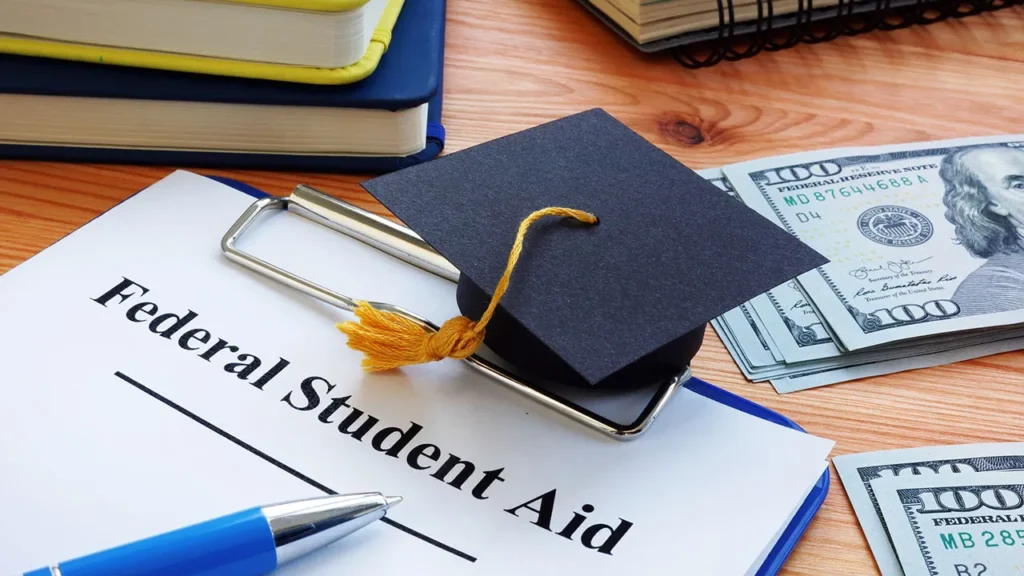
The statistics are staggering. Student loan debt in the United States has surpassed $1.7 trillion, with the average borrower owing approximately $37,000. But behind these numbers are millions of individuals postponing marriage, delaying homeownership, and abandoning entrepreneurial dreams because of educational debt.
The crisis particularly impacts first-generation college students and those from lower-income families who take on disproportionate debt burdens. While wealthy families can afford tuition without loans, working-class students often graduate with debt that exceeds their starting salaries. This creates a vicious cycle where education, meant to be the great equalizer, instead perpetuates economic inequality.
The mental health implications are equally troubling. Studies consistently show that student debt correlates with higher rates of anxiety, depression, and stress-related health problems. Young adults report feeling trapped and hopeless, unable to build the lives they envisioned when they first enrolled in college. The promise of education as an investment in one’s future feels increasingly like a predatory trap.
Affordability: The Elephant in the Classroom
College tuition has increased by over 180% in the past two decades, far outpacing inflation and wage growth. What once required a summer job and part-time work can now saddle students with decades of debt. Public universities, traditionally affordable options for in-state residents, now charge tuitions that rival private institutions in some states.
This affordability crisis forces impossible choices. Students select cheaper schools over better-fit institutions, major in lucrative fields rather than their passions, or skip college altogether despite having the talent and drive to succeed. Others attend but work excessive hours to avoid loans, compromising their academic performance and college experience.
The ripple effects extend throughout the economy. When young adults can’t afford homes, the housing market suffers. When they delay having children, birthrates decline. When they avoid starting businesses due to debt obligations, innovation stagnates. The education crisis is ultimately an economic crisis that affects everyone.
Student Well-Being: The Hidden Casualty
Perhaps the most overlooked aspect of this crisis is its impact on student mental health and overall well-being. College students today report unprecedented levels of stress, anxiety, and depression. While some attribute this to generational differences or social media, the financial pressures of higher education play an undeniable role.
Students are juggling full course loads with multiple jobs, sleeping fewer hours, and making difficult tradeoffs between their education, health, and finances. Campus counseling centers report overwhelming demand for mental health services, with wait times stretching weeks or months. Many students suffer in silence, unable to access the help they need.
The pressure doesn’t end at graduation. Young professionals entering the workforce face the dual challenge of establishing careers while managing substantial debt payments. The traditional markers of adulthood—financial independence, homeownership, starting families—feel increasingly out of reach for college-educated Americans who played by the rules and invested in their futures.
Finding Solutions in a Broken System
While systemic reform requires legislative action and institutional change, families can take practical steps to navigate this challenging landscape. Research schools with strong financial aid programs, consider starting at community colleges, and explore alternative pathways like apprenticeships or technical training. Most importantly, have honest conversations about affordability before committing to any educational path.
The crisis in American higher education demands urgent attention from policymakers, institutions, and society at large. As the Supreme Court continues to shape education policy and costs continue rising, the well-being of an entire generation hangs in the balance. Education should open doors and create opportunities, not sentence young people to decades of financial hardship. Until we address this crisis comprehensively, the American dream of accessible, affordable higher education will remain just that—a dream rather than a reality for millions of deserving students.