






1. Transform Your Backyard Into an Outdoor Living Oasis
Creating functional outdoor spaces has become essential for American homeowners seeking to maximize their living areas. The trend toward outdoor rooms continues to dominate, with families investing in covered patios, outdoor kitchens, and comfortable seating areas that extend their homes into nature.
Start by defining zones in your backyard. Consider a cooking area with a built-in grill or pizza oven, a dining space with weather-resistant furniture, and a lounging area with fire pit seating. String lights, outdoor rugs, and potted plants add warmth and personality. For year-round use, install a pergola or retractable awning to provide shade in summer and protection during light rain.
Budget-conscious homeowners can achieve this look incrementally. Begin with quality furniture and lighting, then add features like an outdoor kitchen or fire pit as funds allow. The return on investment is substantial, both in property value and quality of life.
2. Smart Home Upgrades That Actually Save You Money
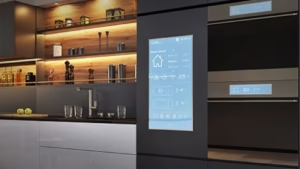
Smart home technology has moved beyond convenience into genuine cost savings territory. Today’s homeowners are strategically upgrading to reduce energy bills while increasing comfort and security.
Smart thermostats like Nest or Ecobee learn your schedule and can reduce heating and cooling costs by up to 23%. Smart lighting systems with motion sensors and scheduling eliminate wasted electricity. Leak detection sensors prevent costly water damage, while smart power strips stop vampire energy drain from idle electronics.
The key is prioritizing upgrades with measurable payback periods. A smart thermostat typically pays for itself within two years. Smart locks eliminate the cost of rekeying and provide better security. When combined with home insurance discounts for security systems, these upgrades become even more financially attractive.
Start with a hub system like Amazon Alexa, Google Home, or Apple HomeKit, then add compatible devices gradually. Focus first on high-impact areas like climate control and security, then expand to lighting and entertainment.
3. Kitchen Refresh Without the Renovation: Budget-Friendly Updates
Full kitchen renovations averaging $75,000 to $150,000 aren’t feasible for most homeowners, but transformative updates are possible with strategic improvements costing a fraction of that amount.
Cabinet painting or refacing delivers dramatic results for $3,000 to $8,000 versus $15,000+ for replacement. Choose on-trend colors like sage green, navy blue, or classic white. Update hardware with modern matte black or brushed brass pulls and handles for instant sophistication.
Replace just the countertops for $2,000 to $5,000. Quartz has become more affordable while offering durability and low maintenance. For backsplashes, peel-and-stick tiles provide a DIY-friendly option that looks remarkably authentic.
Upgrade lighting with under-cabinet LED strips and a statement pendant over the island. Replace outdated appliances with stainless steel or black stainless finishes. Finally, add open shelving to display attractive dishware and create an airy, modern feel. These combined updates can transform your kitchen for under $15,000 while delivering 70-80% of the impact of a full renovation.
4. Creating a Dedicated Home Office That Boosts Productivity
The remote work revolution has made dedicated home office spaces essential rather than optional. The challenge is creating professional, productive workspaces within existing home layouts.
Location matters tremendously. Choose a space with natural light, minimal household traffic, and a door for privacy. If a separate room isn’t available, convert a closet, corner of a bedroom, or section of the dining room using room dividers or strategic furniture placement.
Invest in ergonomic essentials first. A quality desk chair prevents back pain and fatigue. Position your monitor at eye level to reduce neck strain. Ensure adequate task lighting to prevent eye fatigue, combining overhead lighting with a desk lamp.
Soundproofing improves video call quality and reduces distractions. Add acoustic panels, a thick rug, heavy curtains, and weatherstripping under doors. For aesthetics and organization, install floating shelves, use cable management solutions, and incorporate plants for improved air quality and stress reduction.
Color psychology matters in home offices. Blue promotes focus and productivity, while green reduces eye strain. Avoid overly stimulating colors like bright red in work areas. The goal is a space that signals “work mode” to your brain while remaining comfortable for extended periods.
5. Sustainable Swaps: Eco-Friendly Home Improvements That Matter
Environmental consciousness is driving home improvement decisions across America, with homeowners seeking upgrades that reduce their carbon footprint while lowering utility costs.
Solar panels top the list despite the upfront investment of $15,000 to $25,000 after incentives. Federal tax credits cover 30% of costs, and many states offer additional rebates. Most systems pay for themselves within 7-10 years while dramatically reducing electricity bills.
Water conservation improvements include low-flow fixtures, dual-flush toilets, and tankless water heaters. Rain barrels collect water for gardens, reducing both water consumption and bills. Native landscaping requires less water and maintenance than traditional lawns while supporting local ecosystems.
Energy efficiency upgrades like improved insulation, energy-efficient windows, and high-efficiency HVAC systems reduce utility costs significantly. An energy audit, often free from utility companies, identifies the highest-impact improvements for your specific home.
Consider sustainable materials for renovations: bamboo or reclaimed wood flooring, recycled glass countertops, low-VOC paints, and recycled content insulation. These choices improve indoor air quality while reducing environmental impact. Many sustainable options now cost comparably to traditional materials while offering superior performance and longevity.