





The design world never stands still, and 2026 is proving to be a year of bold experimentation and thoughtful innovation. From sustainable materials to tech-integrated spaces, homeowners across the USA are embracing fresh aesthetics that blend functionality with personal expression. Here’s a look at the emerging design trends making waves this year.
Biophilic Design Takes Center Stage
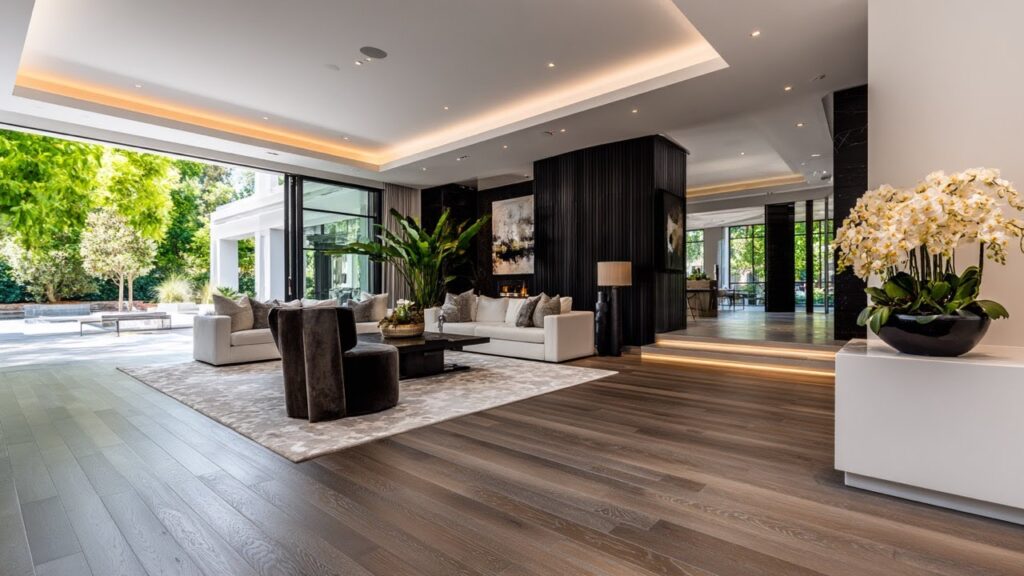
Nature-inspired interiors are no longer just a nice-to-have—they’re becoming essential. Biophilic design incorporates natural elements like living walls, indoor water features, and organic textures to create calming environments. Research shows these spaces reduce stress and boost productivity, making them perfect for home offices and living areas. Expect to see more moss walls, natural stone accents, and floor-to-ceiling windows that blur the line between indoors and out.
Warm Minimalism Replaces Cold Modernism
The stark white walls and clinical minimalism of the past decade are giving way to warm minimalism. This trend embraces neutral palettes with depth—think warm beiges, terracotta, and soft grays—paired with natural wood tones and textured fabrics. The goal is creating serene spaces that feel lived-in rather than sterile. Homeowners are investing in quality over quantity, choosing fewer but more meaningful pieces that tell a story.
Smart Home Integration Gets Invisible
Technology is becoming seamlessly woven into home design rather than being a focal point. Voice-activated lighting, hidden charging stations, and furniture with built-in tech features are standard in new builds and renovations. The trend focuses on invisible technology that enhances daily life without cluttering aesthetics. Smart mirrors, motorized window treatments, and integrated sound systems are being designed to disappear into the architecture.
Curved Architecture Makes a Comeback
Sharp angles are softening as curved furniture and architectural elements return to prominence. Arched doorways, rounded sofas, and circular mirrors create a sense of flow and movement. This trend extends to kitchens, where curved islands and rounded cabinetry are replacing traditional angular designs. The softer silhouettes create more welcoming, less formal spaces perfect for modern living.
Sustainable and Vintage Materials
Sustainability drives many design choices today. Reclaimed wood, recycled metals, and eco-friendly textiles are mainstream rather than niche. Vintage and antique pieces are being incorporated into modern spaces, adding character while reducing environmental impact. Cork flooring, bamboo accents, and low-VOC paints are becoming standard specifications in conscientious renovations.
Multifunctional Spaces
With remote work remaining common, homes need to work harder. Design trends favor adaptable spaces that serve multiple purposes. Murphy beds, sliding partition walls, and convertible furniture allow rooms to transform throughout the day. Home gyms that double as guest rooms and dining rooms that convert to workspaces are increasingly popular.