





The relationship between America and its higher education system has become increasingly strained, resembling a courtroom battle where both sides present compelling arguments. As tuition costs skyrocket and student debt reaches astronomical levels, the nation finds itself questioning whether the promise of higher education still holds true.
The Case Against Rising Costs
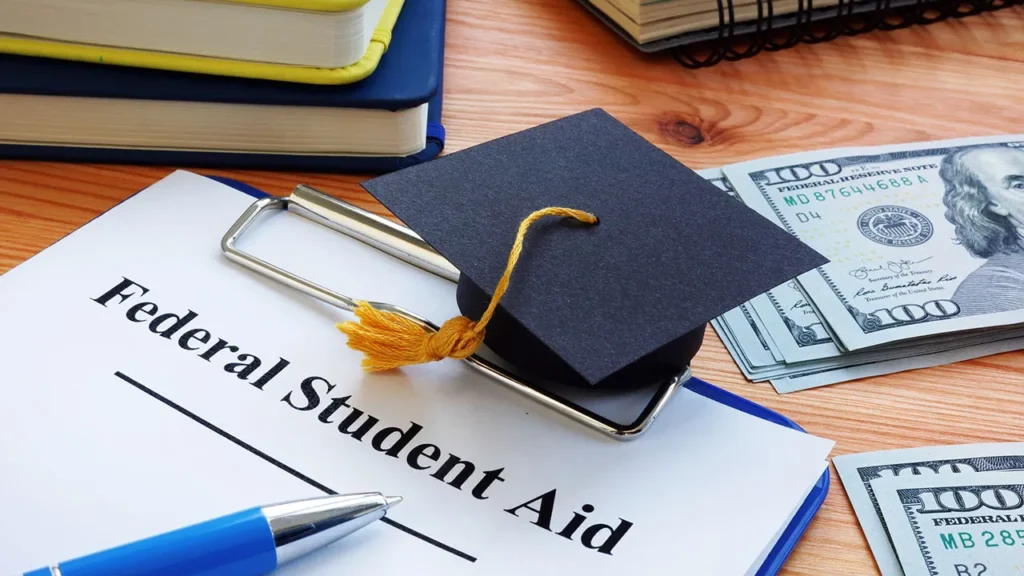
The numbers tell a sobering story. Average tuition at public four-year institutions has tripled over the past three decades, far outpacing inflation and wage growth. American students now collectively owe over $1.7 trillion in student loan debt, a burden that affects everything from homeownership to starting families. For many graduates, the financial weight of their education feels more like a life sentence than a stepping stone to success.
Critics argue that universities have become bloated bureaucracies, spending lavishly on amenities and administrative positions while passing costs onto students. Luxury dormitories, state-of-the-art recreation centers, and climbing walls have become recruiting tools, but do they justify the price tag? Many Americans are beginning to say no.
The Accessibility Dilemma
Higher education in America faces a fundamental contradiction. While colleges tout diversity and inclusion, financial barriers create deep inequalities. Low-income students often struggle to afford application fees, SAT prep courses, and campus visits before even considering tuition. Those who do enroll may work multiple jobs while attending classes, putting them at a disadvantage compared to wealthier peers.
The community college pathway offers some relief, but underfunding means overcrowded classrooms, limited course offerings, and overburdened faculty. Meanwhile, elite institutions accept record-low percentages of applicants, creating a two-tiered system where opportunities increasingly depend on family wealth and connections.
Alternative Paths Gain Ground
As traditional higher education loses its luster, Americans are exploring alternatives. Trade schools, coding bootcamps, apprenticeships, and online certifications offer faster, cheaper routes to good-paying careers. Tech giants like Google and Apple have dropped degree requirements for many positions, signaling a shift in how employers value skills over credentials.
This trend raises important questions about the purpose of higher education. Is it primarily job training, or does it serve broader goals of critical thinking, citizenship, and personal growth? Can America maintain its competitive edge if fewer citizens pursue traditional four-year degrees?
Finding Common Ground
Despite these challenges, higher education remains transformative for millions of Americans. College graduates still earn significantly more over their lifetimes and report higher job satisfaction. Universities drive innovation, conduct essential research, and serve as engines of social mobility.
The solution likely requires systemic reform rather than abandonment. Proposals include increasing state funding, capping tuition growth, expanding income-based repayment programs, and rewarding schools that graduate students affordably and on time. Some advocate for free community college or debt forgiveness programs.