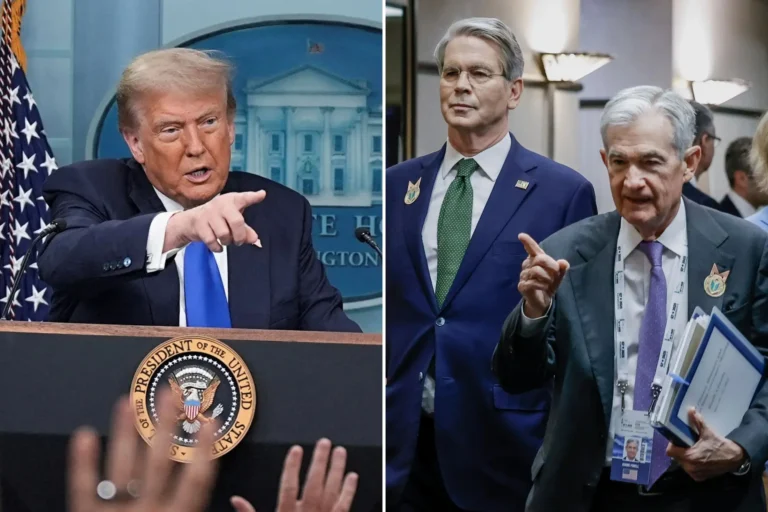






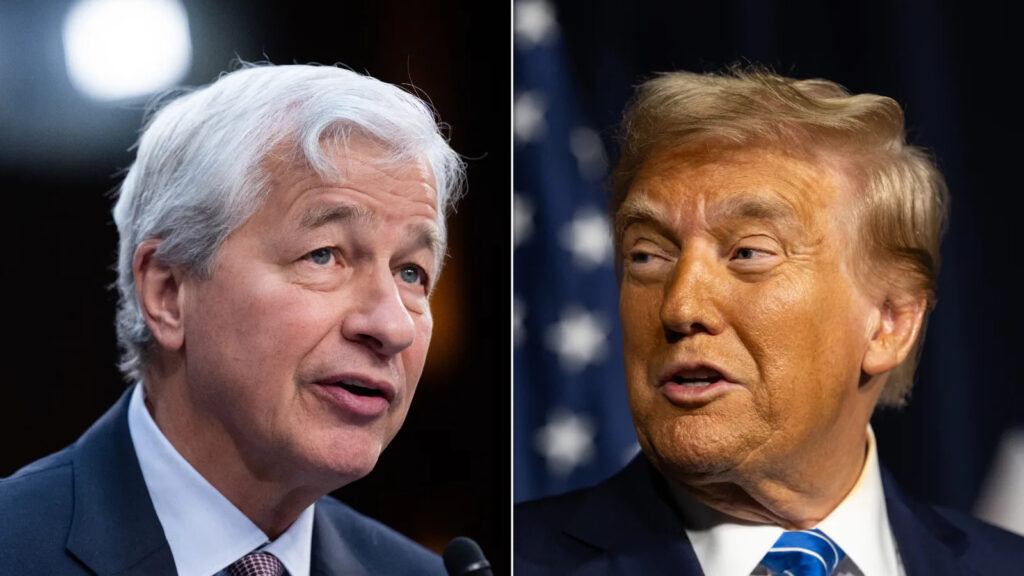
President Donald Trump’s recent $5 billion lawsuit against JPMorgan Chase and CEO Jamie Dimon has thrust the controversial practice of “debanking” back into the national spotlight. The complaint alleges that the banking giant closed Trump’s accounts for political reasons following the January 6, 2021 Capitol riot, raising broader questions about financial institutions’ power to deny services.
What Is Debanking?
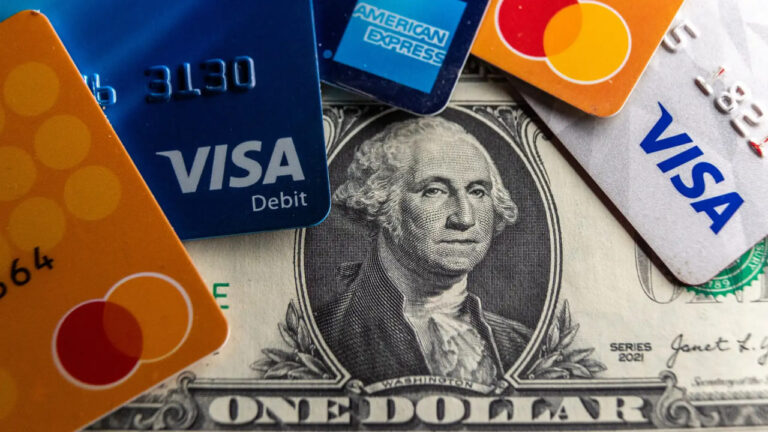
Debanking refers to the act of removing a person or organization’s access to financial services. While banks maintain they close accounts based on legal or regulatory concerns, critics argue that political and ideological motivations sometimes drive these decisions. The practice affects diverse groups, from firearms manufacturers to religious organizations, making it a rare bipartisan concern in Washington.
The Trump Lawsuit Details
In February 2021, JPMorgan notified Trump that his accounts would be closed within two months, shortly after he left the White House. The lawsuit claims the bank acted due to political motivations rather than legitimate business concerns. Trump’s legal team argues the bank violated Florida laws prohibiting financial institutions from ending banking relationships based on political opinions or affiliations.
The complaint further alleges that JPMorgan placed Trump’s name on a blacklist accessible by other federally regulated banks, causing significant financial and reputational damage. Trump’s attorney characterized the decision as driven by the bank’s beliefs that it needed to distance itself from Trump’s conservative views.
JPMorgan’s Defense
JPMorgan has firmly denied the allegations. The bank stated it does not close accounts for political or religious reasons, but rather because they create legal or regulatory risk for the company. The institution emphasized that regulatory rules and expectations often compel such actions, and it has been requesting both current and previous administrations to change these regulations.
A Broader Pattern
This isn’t Trump’s first debanking lawsuit. The Trump family also sued Capital One in March over similar allegations. The president has made combating debanking a priority, issuing an executive order in August directing federal regulators to identify financial institutions engaged in what he considers unlawful debanking practices.