






The landscape of education is undergoing a seismic shift. For the first time in history, artificial intelligence isn’t just a novelty in classrooms—it’s becoming the primary tool that students and teachers reach for daily. Recent global research reveals a fascinating transformation: learners and educators have emerged as AI’s most dedicated and sophisticated users, fundamentally changing how knowledge is acquired, taught, and shared.
The Shift from Entertainment to Education

For years, AI tools like ChatGPT and other chatbots were primarily used for entertainment and casual experimentation. People would ask quirky questions, generate creative stories, or simply explore what these digital assistants could do. But 2026 marks a turning point. According to a recent global survey across 21 countries with 21,000 participants, for the first time, the top motivation for using AI is learning, with 74% of users reporting they use it to learn something new or understand a complex topic.
This shift represents more than just a change in user behavior—it signals a fundamental transformation in how we approach education. AI has moved from being a curiosity to becoming an essential learning companion, research assistant, and teaching aide that millions rely on daily.
Students Lead the AI Revolution

The numbers tell a compelling story: 85% of students aged 18 and older are now using AI tools. These aren’t casual users dabbling with technology—they’re integrating AI deeply into their academic lives. Students report using AI to help with schoolwork, understand complex topics, manage day-to-day life tasks like trip planning and meal preparation, and even make important decisions about their futures.
What makes students true “super users” isn’t just the frequency of their AI usage, but the sophistication with which they employ these tools. The most successful students have learned to move beyond simple question-and-answer interactions. They’re using AI for deep research, brainstorming complex ideas, checking their work, and exploring subjects from multiple angles. By the start of 2026, approximately 86% of all students in higher education utilize AI as their primary research and brainstorming partner.
However, this widespread adoption comes with important distinctions. Education experts are identifying a critical divide emerging between what they call “super users” and “surface users.” Super users employ AI to augment their thinking and enhance their cognitive capabilities. They ask follow-up questions, challenge AI responses, and use the technology as a springboard for deeper exploration. Surface users, in contrast, simply outsource their thinking to AI, accepting outputs without critical evaluation. The difference is profound—one group uses AI as a powerful tool for intellectual growth, while the other risks becoming dependent on technology for basic reasoning.
Teachers Embrace AI at Unprecedented Rates
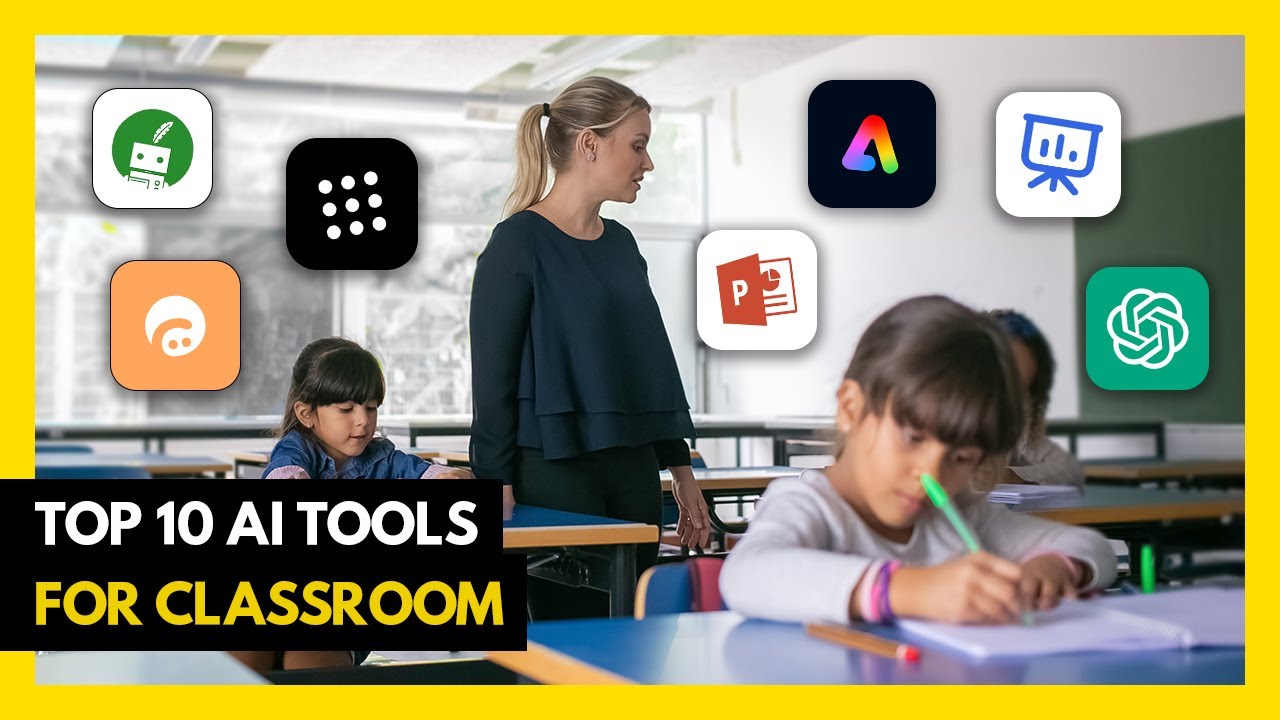
The AI education revolution isn’t happening with generic chatbots alone. The most defining trend of 2026 is the clear movement toward platforms purpose-built for education. While general AI demonstrated the potential of language models, they also exposed limitations in real classrooms. Teachers found themselves spending excessive time crafting prompts, verifying accuracy, and adapting outputs to curriculum requirements.
Education-specific platforms address these gaps by embedding pedagogical structure directly into the system. Rather than requiring teachers to instruct the AI how to behave, these platforms already understand learning objectives, grade-level expectations, assessment logic, and instructional flow.
Microsoft and Google have both launched comprehensive programs specifically for educators. Microsoft introduced the Elevate for Educators program, offering free professional development and AI-powered tools designed to help students ages 13 and older engage more deeply with academic concepts to develop critical and reflective thinking skills. Google’s suite of education tools provides teachers with AI assistants that understand educational contexts and pedagogical needs.
These tools aren’t replacing teachers—they’re amplifying teacher expertise. The best AI education tools help teachers do what they do best: inspire curiosity, facilitate discovery, and build meaningful relationships with students. The technology handles the repetitive tasks, freeing educators to focus on the human elements of teaching that no AI can replicate.